BULLS BUILT FOR THE BIG COUNTRY
Big Country Genetics has a simple and direct mission: to produce sensible cattle that generate profits for the operation, its customers and the greater beef industry.
Letting your Environment Shape Your Cattle
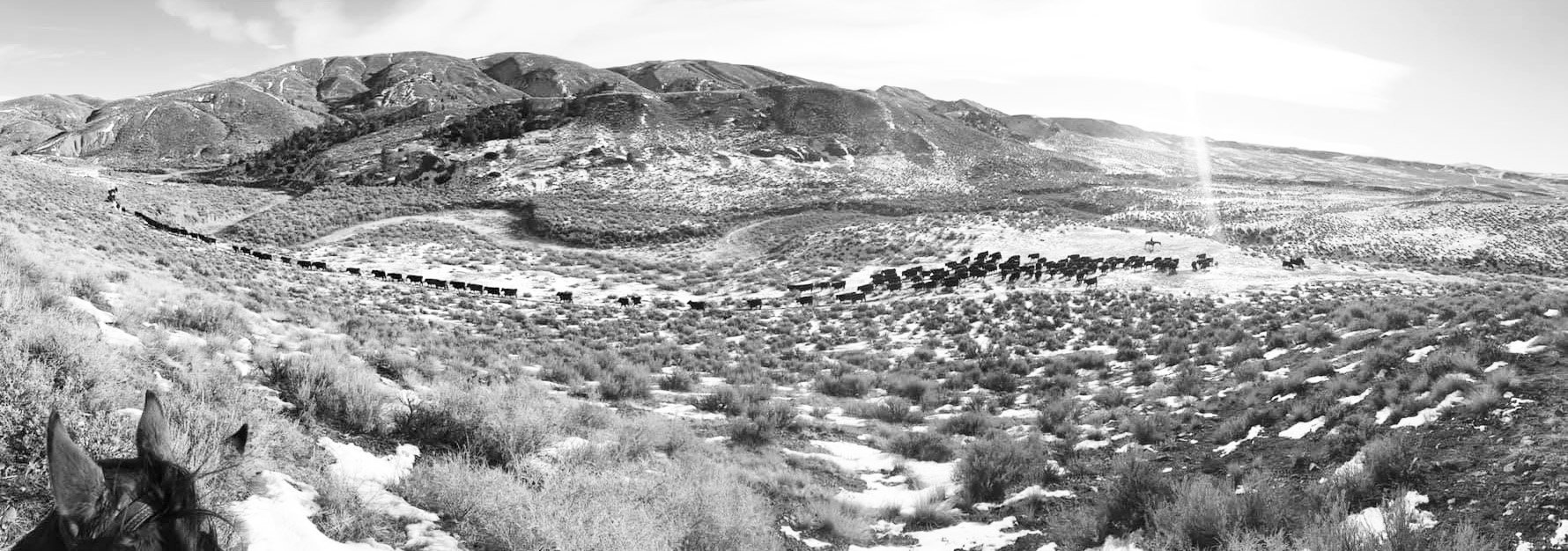
In this interview on the Working Cows Podcast we discuss our journey to find cattle that can graze year-round, calve on their own, and raise a calf on the range. We are continuing to push the envelope to find consistent and even cattle that can provide a heterosis bump for the customers purchasing our bulls.
Function
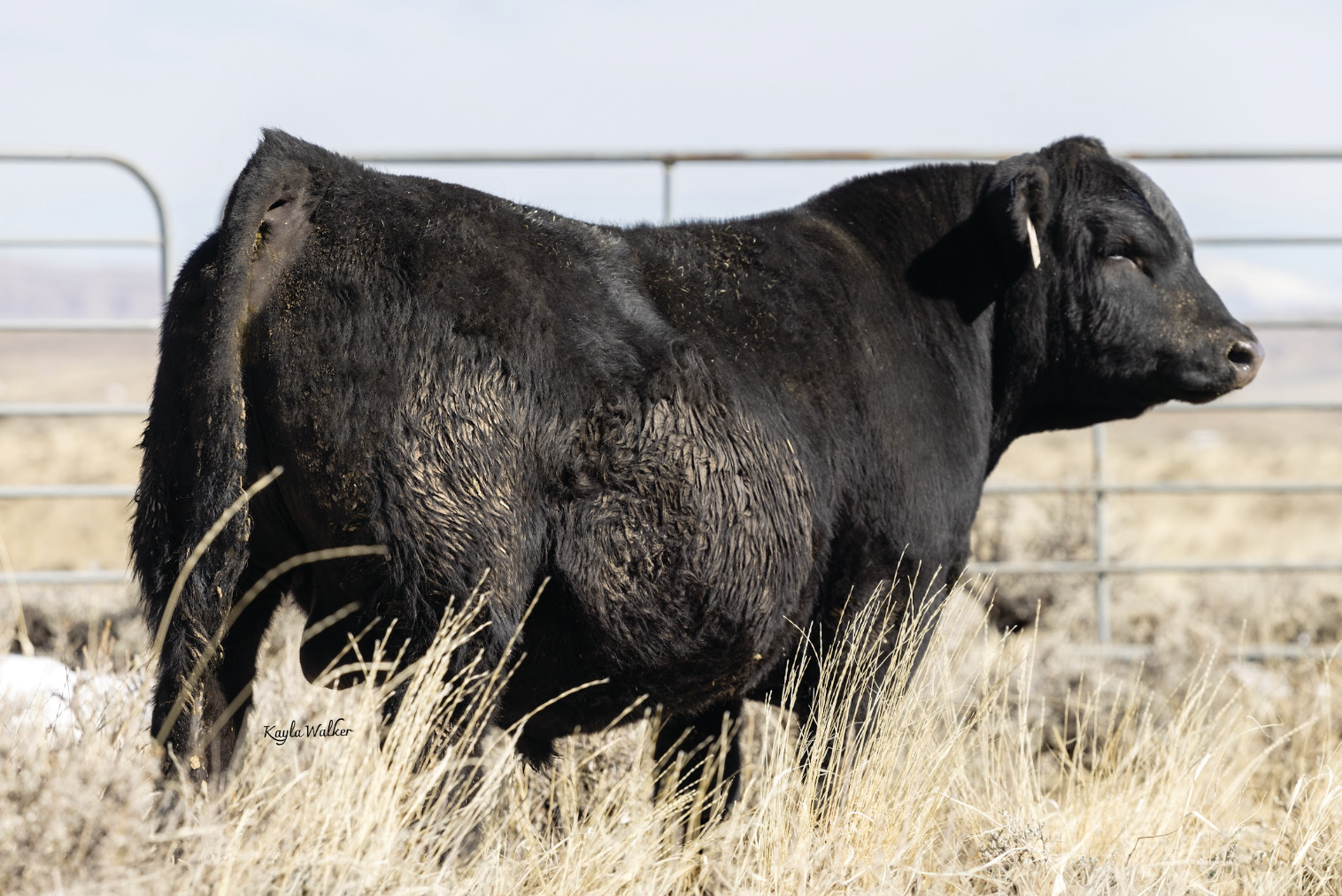
It is vital to our program to have functional cattle. From the skeletal design of the cattle to the feet and udder quality we take great pride in making them functional. I doubt you’ve ever seen a bad udder in the wild. This is because there is no night calver there to suckle a fawn on her bad uddered mother. Mother Nature has naturally selected against these issues sense the beginning of time. You might also find that every four legged athlete in the world slopes from hooks to pins. Whether that’s performance horses, elk, bison or a cheetah, they all slope in there hip structure. Yet we’ve been led to believe that it’s a necessity to have a level hip in our cattle, simply because someone decided it looks better.
What makes our program different
bulls Developed for tough country
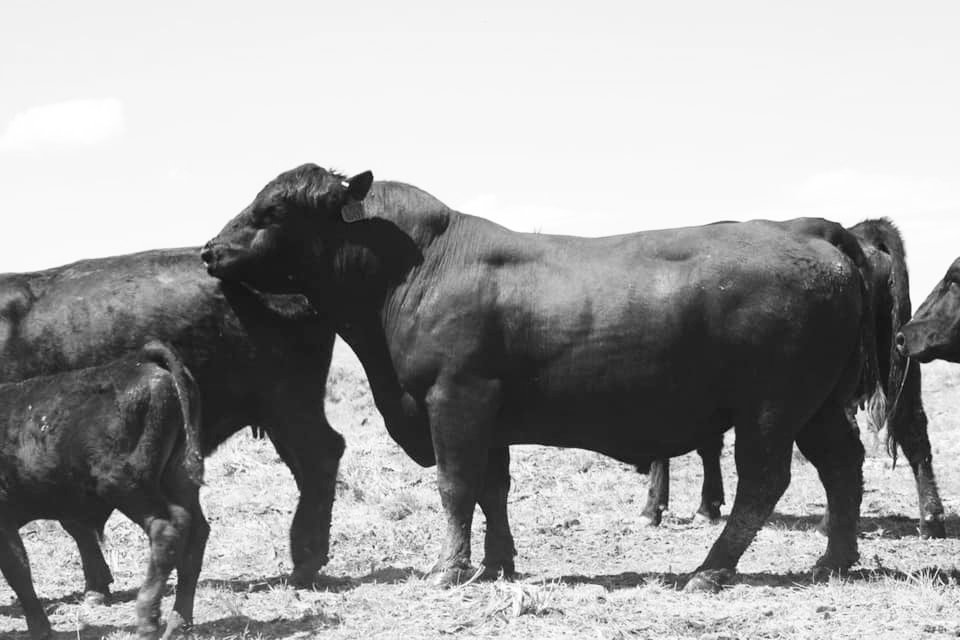
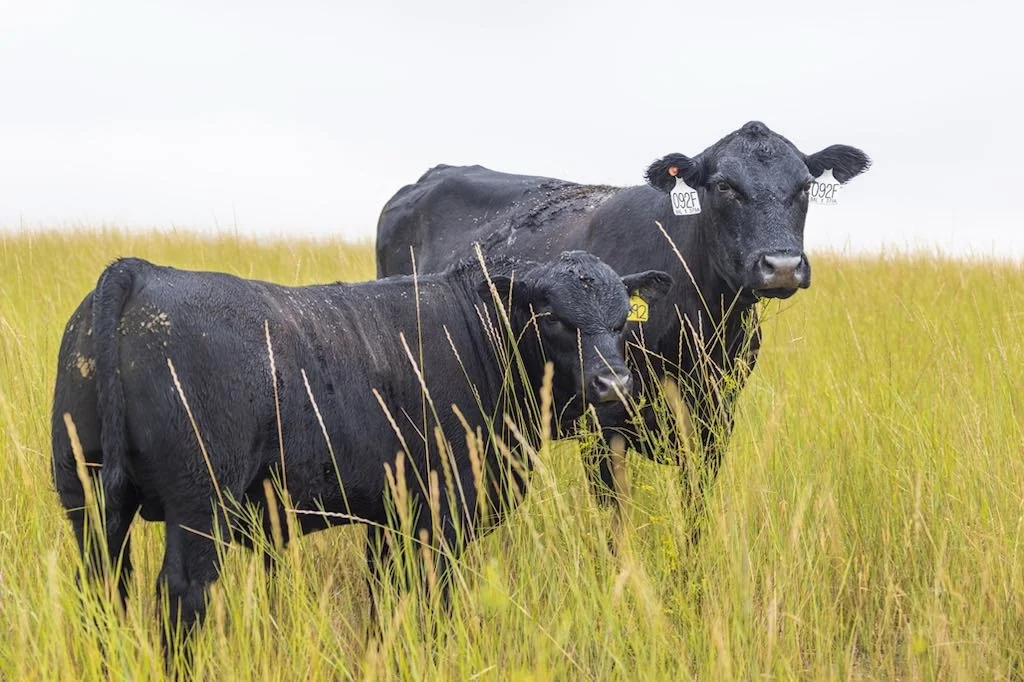
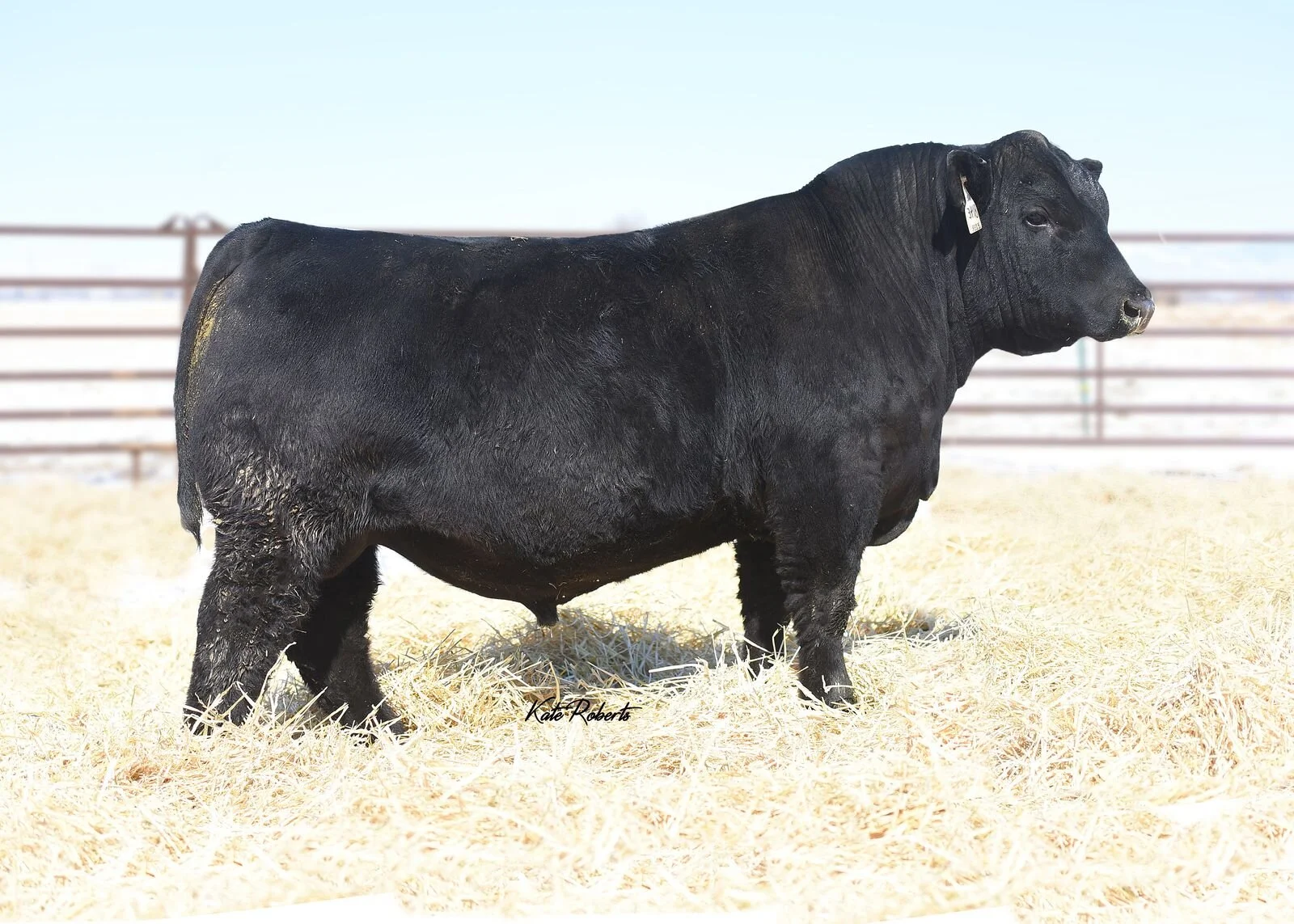
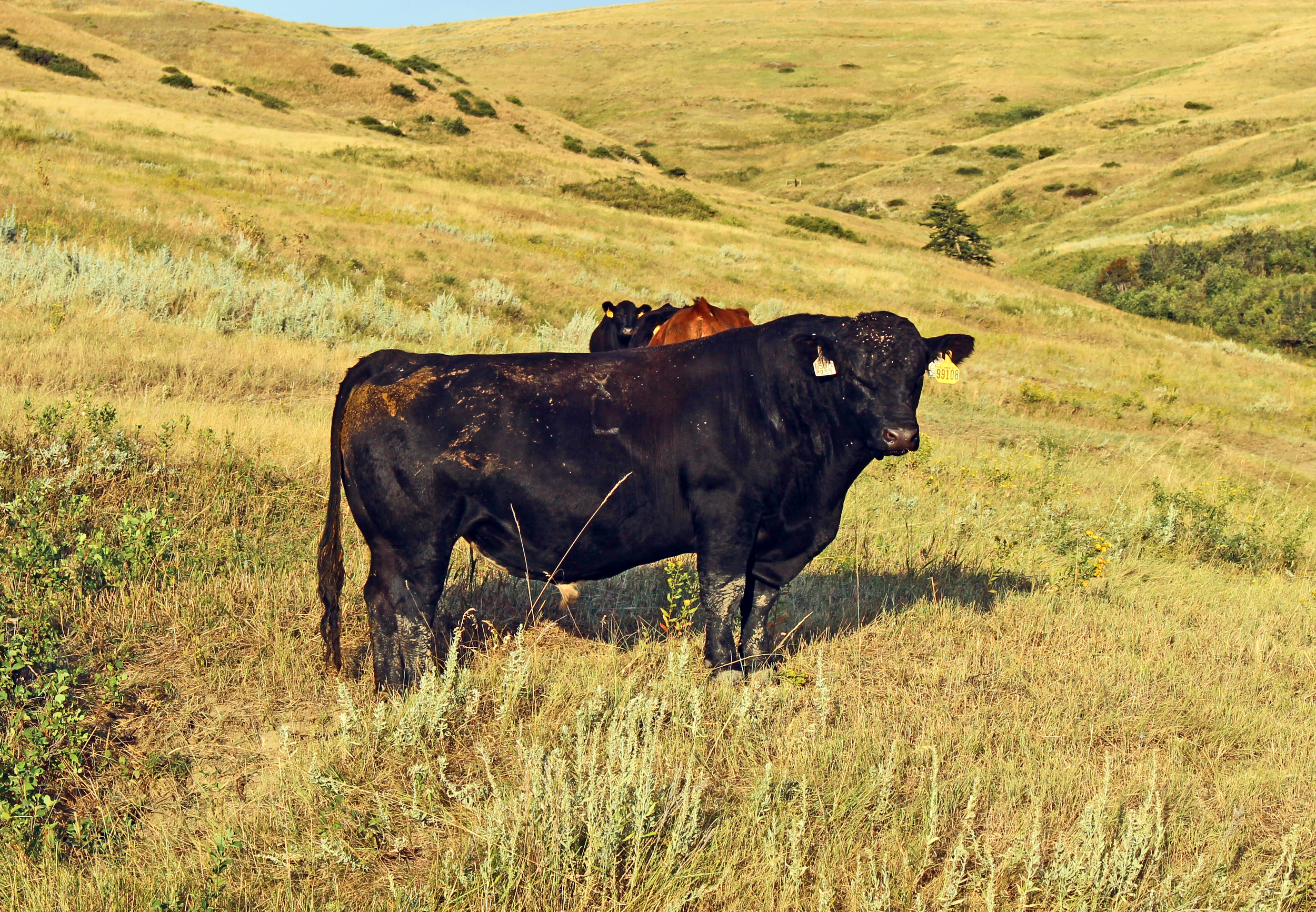
Our bulls come from cows that graze year-round in NW Wyoming, calve outside without assistance, and calve within a 45-day calving season. The bulls are then developed on grass, selecting for cattle that will thrive in real ranch conditions.
Pap Tested at 5,700 Ft Elevation
All the bulls are PAP tested each year at 5,700 feet of elevation by Dr. Alan Gotfredson with Flying A Animal Health out of Ten Sleep, Wyoming. The bulls averaged a PAP score of 37, perfect for buyers running cattle at high-elevations.
3-Year breeding Guarantee
You wouldn’t buy a truck without a warranty, so why buy a bull? We sell every Big Country Genetics bull with a 3-Year Breeding Guarantee! Our three-year breeding guarantee covers foot and soundness issues as well as semen quality.
Maternal…
-
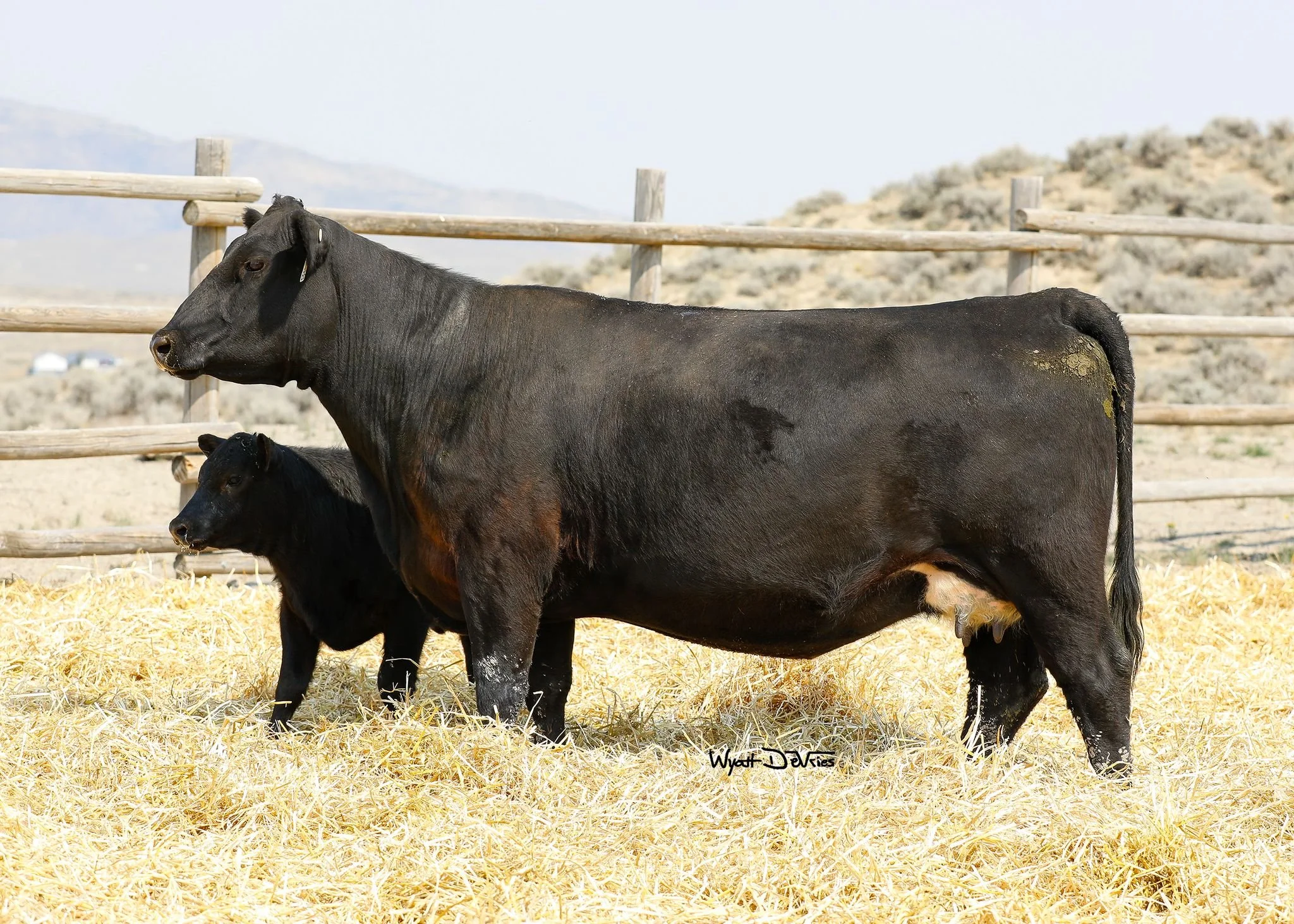
As a cattlemen, fertility and mothering ability are the most profitable traits to breed for, and due to the current state of the seed stock industry we have seen a continued decline in these specific traits over the last 30 plus years. Contrary to your average registered operation that increases feed quality and management tack ticks to ensure their cattle stick around; we address these issues by putting more strenuous pressure on our cattle and culling the cattle that can’t handle it. Forcing our cattle (including first time mothers) to graze dormant feed during the harshest months of the year, calve outside & unassisted and breed back in a short breeding interval, all while raising a quality calf. It sounds simple but the cattle that fall through the cracks while over managing your cattle will no doubt have a negative impact on the profitability of the commercial cowman!
-
I believe that visual appraisal of the cattle is still our best way to accurately sort cattle. First, we sort the cattle based on feet and leg structure. Our ideal structured animal will be even toed and square at the ground, with flexible joints and proper angles from the ground up. We like cattle with a sloping hip as it helps with athleticism and calving ease. After that we want cattle that can convert low-quality forage to muscle and flesh. Therefore, we need an adequate amount of rib shape and volume. It is vital to us that our bulls are masculine at an early age, and our females are refined and feminine. Beyond that we can look at glandular function to see how well adapted an animal is to its environment, as well as sort the cattle that are higher in traits such as butter fat (milk quality), marbling, and fertility by looking at things like tail diameter, brisket pleat, hair whorls and skin folds.
-
We believe EPD’s are a good tool for producers to look at so long as they are used properly. An EPD is an animal’s genetic potential to express a certain trait without factoring environment into the equation. This explains why we as commercial cattlemen have seen relatively no change in weaning weight over the last 20 years, while weaning weight EPD’s over the same time frame have soared. Indexes such as API do take environment into consideration, however, they are heavily influenced by terminal traits such as Carcass weight. Therefore, commercial cattlemen only see the benefits of these EPD’s if they retain their calves until their final kill date, and we all know that increasing carcass weight will increase mature cow size and have negative impacts on your cowherd. There are some cattle that can excel in both the real world as a profitable cow and in the terminal driven world of EPD’s, but more often sourcing cattle strictly on EPD’s will have a negative impact on your cowherd and its profitability.
The key is to first source your genetics from a program that holds their cow herd accountable and runs them as tough or tougher than you do! Then find the cattle that work for you phenotypically and lastly use EPD’s as the tie breaker and to maintain confidence that your calves will perform at the rail.